
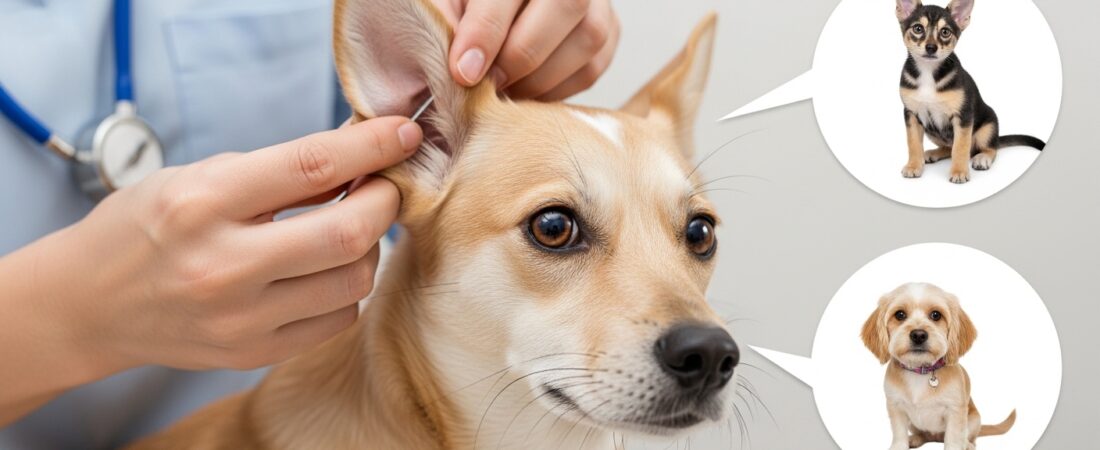
Daily Routine for Pet Care at Home
Planning a daily routine for pet care at home is not a matter of perfection. Most people picture a rather regimented day… morning walk, precisely timed meal, grooming, health examination. Life in reality is quite different. Sometimes mornings start late. Sometimes you don’t even get to the brush. Still, having a general rhythm going on is a good thing. Pets are more relaxed when their environment feels familiar.
Besides, strictly following a set of rules is not necessary. They just need to be consistently repeatable. Water. Food. Movement. A brief check to see if everything appears normal. Achieving these without even trying will be much more than what most people imagine.
Some pets wake up quietly. Others don’t. Scratching at doors. Pawing your arm. Standing near the bowl as if they had never been fed before.
Morning usually begins there.
Fresh water first. Always. Overnight bowls gather dust, hair, sometimes nothing is visibly there, but still, change it. It takes a second. Then feeding. Not a big portion. Just the amount to start the day.
Then a quick look. Are the eyes clear? Is the energy normal? Does the coat look okay? It’s not a complete check. Something you’d normally do just by standing there.
After eating, most pets show the urge to move. Dogs can get antsy pacing. Cats tend to become more mobile. Even small animals get restless. A quick walk or several minutes of indoor play will usually calm them down.
Not a large routine. Just the beginning of one.
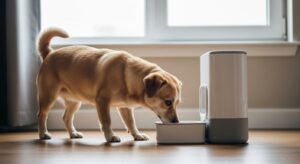
feeding a pet in the morning with a window in the background
Pet Feeding Daily
Feeding, consisting of giving food to a pet, sounds quite simple. However, it is not always the case. Too large portions, random timing as well as extra treats… these are small things that with time evolve into some problems.
Pets do prefer a certain level of predictability. At the same time. Same bowl. Same spot. When feeding changes occur too frequently, some pets start hanging around all day. Others eat so fast, as if food might be taken away from them.
Two meals work for most pets. Morning and evening. Some pets need three meals. Puppies especially.
Try something simple:
| Time | Feeding |
|---|---|
| Morning | Light meal |
| Afternoon | Optional small snack |
| Evening | Main meal |
That’s it. Nothing complicated.
The way they eat also needs to be paid attention to also. Fast gulping? Then help it slow down. Leaving food behind every day? This might mean the portion is too big. These tiny observations come to shape the routine more than any guide.
And when it comes to treats, it is very easy to use too many. A few are fine. But constant treats disrupt appetite.
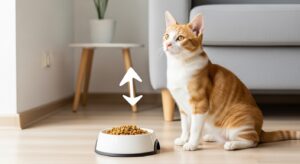
The pet is waiting patiently next to a food bowl
Pet Hygiene Routine at Home
Bathing every day isn’t necessary. In fact, it can cause dry skin. Hygiene mostly is about small and quiet repeated things.
Use a damp cloth to wipe your pet’s paws after being outdoors. Look for their ears to see if they’re dirty. If a pet’s eyes are watering, clean the corners. Rinse the bowls thoroughly. These things require less time than you spend mindlessly scrolling your phone.
You can make a quick checklist to cover the essentials:
- wipe paws
- clean water bowl
- check eyes
- remove loose fur
- tidy sleeping area
Not everything every day. Just most of them.
Neglecting hygiene is a gradual build-up. Slight odor. Dirty fur. It’s not a sudden thing. But once present, cleaning requires a lot more.
Daily small cleanings keep all that at bay.
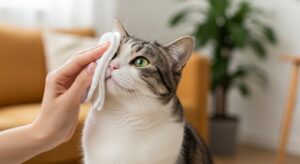
wiping a pet’s face with a soft cloth
Indoor Pet Care Routine
Indoor pets rely more on human interaction. They don’t chase things outside. They don’t explore much. So, boredom sets in faster.
Too-long play sessions aren’t necessary. Ten minutes is enough. Throw a toy in a room. Hide a few treats somewhere. Move a scratching post. Small changes are very effective at making the environment feel new to them.
Stocking up and rotating toys is a surprisingly effective method. Leave only two toys on display while putting the rest away. After a few days, swap the toys. This will make the toys interesting again overnight.
Keep the indoor environment well-managed:
- Vacuum pet hair regularly
- Wash bedding once a week
- clean or change the litter box
- open windows to get fresh air
Nothing special. Just put together excellent living conditions.
Some pets sleep a lot during the day. Others follow you from room to room. Both are quite normal. The routine adapts itself naturally.
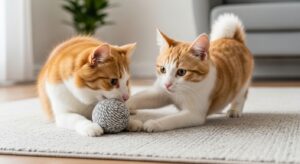
indoor pet playing on a rug
Pet Grooming Routine at Home
Grooming seems like a huge thing. Brushes, shampoos, cutting tools. But daily grooming is mainly about brushing. That’s it.
Even pets with short hair shed. Long-haired ones get matted very quickly. A few daily brushing strokes will keep the coat tangle-free and prevent the shedding from getting out of control.
There is no need to decide on a fixed time. Brushing can be done while watching TV. Sitting outside. After feeding. It fits anywhere.
Nails are important too. Growth is slow, so people forget. However, long nails change the walking posture. Doing nail checks every few days is a good practice.
A simple guide:
| Grooming Task | How Often |
|---|---|
| Brushing | daily or every other day |
| Nail check | every few days |
| Bath | few weeks |
| Ear check | weekly |
Most pets that dislike grooming usually just need shorter sessions. One minute is good. Then stop. Build gradually.
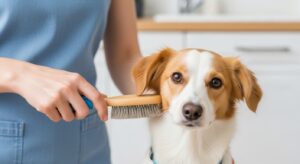
brushing a pet gently at home
Pet Health Care Tips Daily
Health checks don’t necessarily require knowledge. They simply require attention.
Keep an eye on eating habits, level of energy, and movement. Sometimes, even posture conveys a lot.
Consider checking:
- eyes
- nose
- coat
- walking style
- appetite
Please do it casually, without breaking down.
If a change stays only for a day, continue to monitor. If that carries on, then maybe think of seeking advice. Most problems are characterized by presenting signs early on. Having a routine is what assists you in noticing them.
This is a quick guide for observation:
| Area | Check |
|---|---|
| Eyes | redness or discharge |
| Coat | dullness or hair loss |
| Appetite | skipped meals |
| Energy | unusual calmness |
| Movement | stiffness |
It is basically awareness.
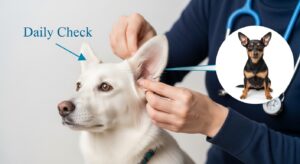
checking pet ears gently
Midday is usually overlooked. But pets don’t pause their day. The water bowl might be empty again. Energy is rising. Looking for attention.
A small midday reset can be helpful:
- water refresh
- short play
- potty break
- small snack if needed
No need to do it every day, but it surely comes in handy.
Indoor pets, especially, are beneficiaries. Otherwise, they just keep on napping too much or chewing things that they shouldn’t.
Routine doesn’t have to be exactly the same. Just repeated sufficiently.
In the evening, everything gets slower. Feeding once more. Maybe a walk. Some grooming. Cleaning the sleeping space.
Sometimes, at night, the energy level goes up instead of down. Dogs start running. Cats are sprinting all of a sudden. These are normal behaviors.
Light activities are the perfect way to use that time. They help the pets settle down later.
On the other hand, avoid heavy play right before sleep as it will wake them up even more.
The night is usually calm and quiet. Filling up the water bowl. Lights get dimmed. Pets find their spots.
Simple Daily Routine Summary
Morning
- fresh water
- feeding
- quick check
- short play
Midday
- water refresh
- brief interaction
Evening
- second meal
- grooming
- walk or play
- clean sleeping area
This will be quite enough for most households.
Some days will be a total mess, while some others will go as smoothly as silk. However, the routine will keep holding.
FAQs
What is the best daily routine for pets at home?
A very basic and simple structure consisting of feeding, water, play, grooming, and observation is the best.
How many times should I feed my pet daily?
Most pets consume their food two times a day. Younger pets may require three meals.
Do indoor pets need daily play?
Yes, even short play sessions can prevent boredom and weight gain.
How long should grooming take daily?
Usually five minutes of brushing and quick checks.
What should I check daily for pet health?
Look at appetite, eyes, coat, energy, and movement.