


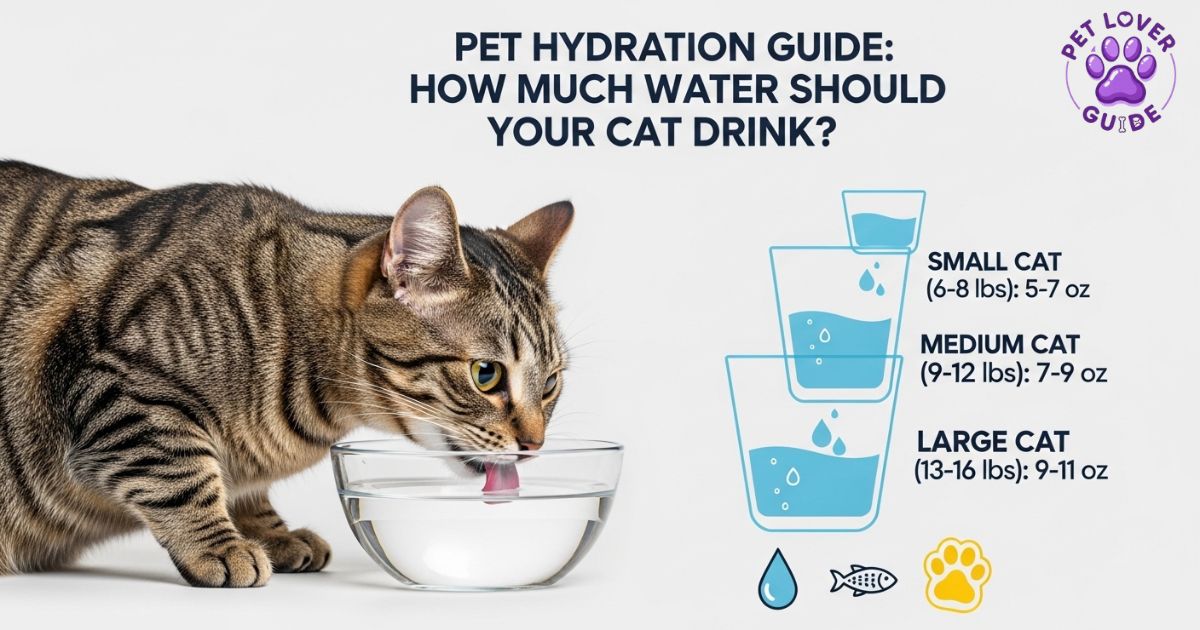
Water doesn’t always get the attention it deserves, yet it quietly shapes your pet’s everyday health. When you think about Pet Hydration, you’re really looking at energy levels, digestion, and long-term wellness all at once. Many owners focus on food but forget the importance of water for pets, even though it plays a direct role in pet health and hydration. Without enough fluids, subtle issues can grow into serious problems like dehydration in dogs and cats. That’s why understanding pet water intake daily and using simple pet hydration tips can make a real difference in keeping your furry companion active, comfortable, and healthy.
Why Hydration is Essential for Cats and Pets
Water doesn’t get much attention. Food does. Treats do. But water, it quietly does most of the work. The importance of water for pets shows up behind the scenes. Organs need it. Blood flow depends on it. Waste removal, too. At a basic level, water is an essential nutrient for pets, and hydration supports organ function in ways we don’t always see. Even things like energy and mood connect back to it. Because water helps digestion and circulation, and without enough, dehydration affects the brain and muscles.
It goes deeper than that. Every tiny cell relies on moisture. That’s why pets need moisture for cellular function. No water, no balance. Simple as that.
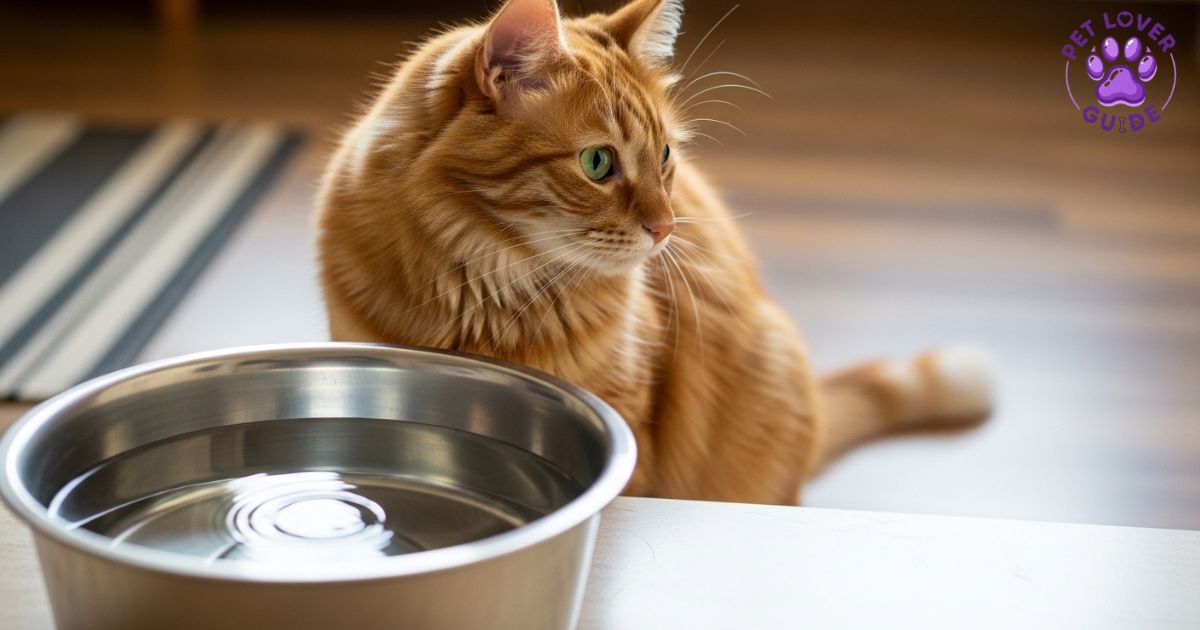 cat ignoring water bowl hydration issue
How Much Water Do Cats Really Need Daily?
Here’s where it gets a bit… unclear. Not because the answer doesn’t exist, but because cats don’t follow neat rules.
On average, pet water intake daily for cats sits around 3.5 to 4.5 ounces per 5 pounds of body weight. But diet changes everything. A cat eating dry kibble will need to drink more. A cat on wet food? They’re already getting water from meals. That’s the whole idea behind wet vs dry pet food hydration.
So if your cat barely touches the bowl but eats wet food, it might be fine. Might. You still have to watch closely.
Daily Water Intake Table for Cats
| Weight | Water Needed |
|---|---|
| 5 lbs | 120–150 ml |
| 10 lbs | 240–300 ml |
| 15 lbs | 360–450 ml |
How Much Water Does Your Pet Really Need?
Dogs are easier. Not perfect, but easier.
Their dog’s hydration needs are more predictable. Most dogs will drink when they’re thirsty. A simple guide is about 1 ounce of water per pound of body weight. That gives you a rough idea of a dog’s daily water requirements.
Still, it’s not exact. Hot weather, exercise, and even stress can change things. That’s why any pet hydration guide should stay flexible. You adjust based on what you see, not just numbers.
Image Idea: Dog drinking water after a walk
Alt tag: dog drinking water after exercise hydration
Signs of Dehydration in Pets
This part matters. Because dehydration doesn’t always announce itself.
The signs of dehydration in pets can look small at first. A bit of tiredness. Less interest in food. Maybe dry gums. Things that are easy to miss if you’re not paying attention.
As it gets worse, dehydration in dogs and cats becomes more obvious. Weakness. Sunken eyes. Slower movement. These are not things to wait on. Understanding pet dehydration symptoms and treatment early can save you from bigger problems later.
A Simple Dehydration Test You Can Do at Home
There’s a quick check you can try. Not perfect, but useful.
Gently lift the skin on the back of your pet’s neck and let it go. If it drops back right away, hydration is likely okay. If it stays up or moves slowly, that’s a warning.
This simple method helps spot early pet hydration problems. Especially if you’re worried about chronic dehydration in pets. Still, if something feels off, a vet visit is always the better option.
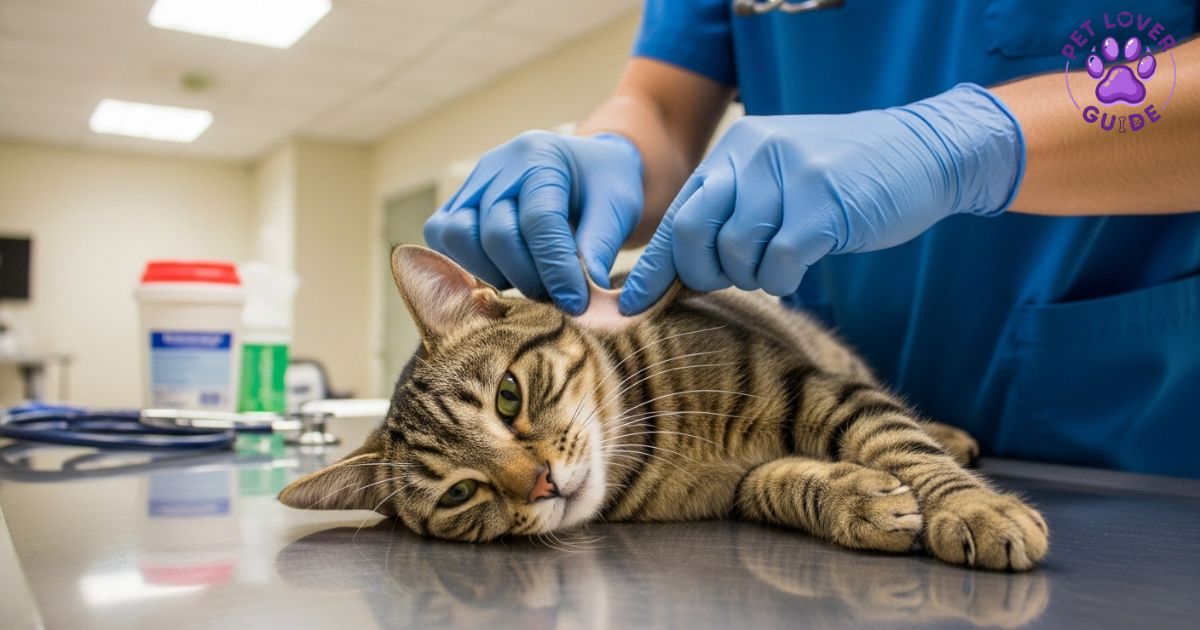
checking dehydration in a pet’s skin test
Why Doesn’t My Cat or Dog Drink Enough Water?
A common question. And honestly, there isn’t just one answer.
If you’re thinking, Why doesn’t my cat drink water, it often comes down to instinct. Cats have low thirst drive. In nature, they get most of their water from food. So bowls don’t always interest them. Also, cats prefer running water, which explains why they hover around taps.
Dogs are different, but not immune. Some owners wonder why dogs don’t drink enough water. It could be boredom. Or stress. Sometimes, even the bowl location. Finding a pet’s not drinking water solution usually means trying small changes instead of one big fix.
Is There More Than One Way to Hydrate Pets?
Yes. And this is where things get interesting.
Water isn’t the only source. Food plays a big role. Moisture-rich pet food can support hydration without relying fully on drinking. That’s why many people explore a raw food diet for pets, hydration, or wet food options.
The canned food moisture benefits are worth noting. Higher water content, easier digestion, and fewer urinary issues in some cases. You can also try adding moisture to your pet’s diet with broths or toppers. Even simple changes like using wet food for hydration can make a difference.

wet pet food hydration moisture-rich
Tips to Keep Your Pets Hydrated
You don’t need complicated routines. Small habits go a long way.
Some simple pet hydration tips:
- Fresh water daily
- Clean bowls (they matter more than you think)
- Multiple water spots around the house
- Mix water into food occasionally
These steps help with common pet hydration problems and answer the question of how to keep pets hydrated without forcing anything.
How to Make Water More Appealing for Cats
Cats can be selective. That’s putting it nicely.
If you’re dealing with hydration for cats with low thirst, you might need to get creative. A bit of flavor can help. Tuna water. Or even bone broth for pets’ hydration. Some people use goat milk for dogs and cats in small amounts.
This ties into How to make pets drink more water. You’re not forcing the habit. You’re making it easier for them to choose.
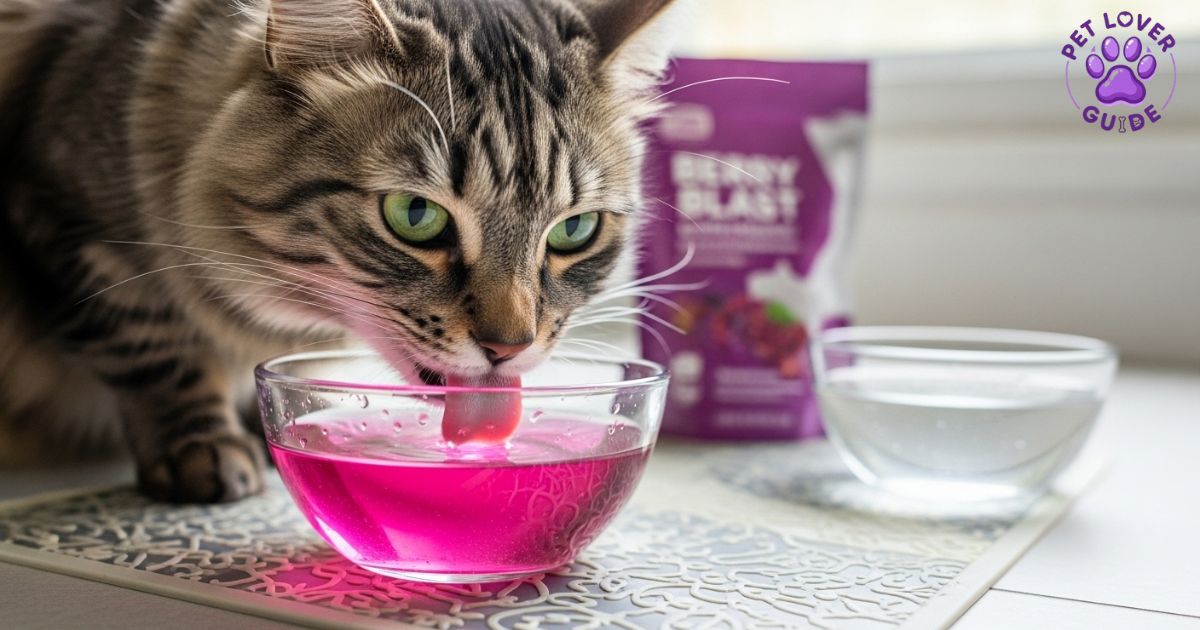
cat drinking flavored water to increase its intake
Is the Location and Presentation of Water Important?
Short answer: yes.
Pet water bowl placement tips can change everything. Cats don’t like drinking near their food or litter box. They prefer quiet, clean spots.
Even the bowl design matters. Wide bowls. Fresh water. This links back to behavior — cats prefer running water and clean sources. Small details, but they add up.
Should You Get a Cat Water Fountain?
A lot of cat owners end up here eventually.
Using pet water fountains often solves the problem of low intake. It works because it matches natural behavior. That’s also why people ask, Why cats prefer running water fountains.
For many pets, this is the easiest way to increase water intake without stress or force.
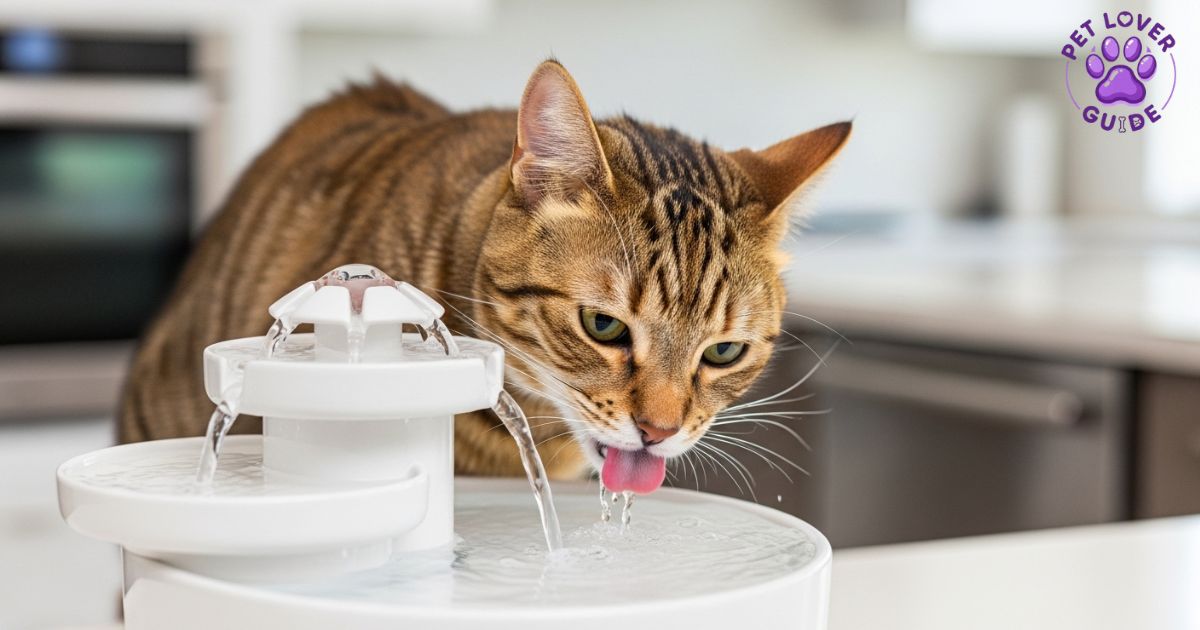
cat water fountain hydration solution
Hydration and Outdoor Time
Heat changes the situation quickly.
During warmer months, the health risks of dehydration in pets go up. Pets lose water faster. They need more than usual.
This is where knowing the best way to hydrate a dog quickly becomes useful, in small amounts, more often. Shade, cool water, and timing outdoor activities also help. It’s all part of learning how to prevent dehydration in pets before it becomes a problem.
Healthy Hydration Treat: Simple Summer Pumpkin Recipe
Hydration doesn’t always have to come from a bowl.
You can try a simple mix:
- 1 cup pumpkin puree
- 2 cups water
- A little bone broth for pets’ hydration
Mix it. Freeze it. Serve in small portions. Pumpkin supports digestion, which connects to pumpkin for pet digestion and hydration. It also fits into hydrating foods for dogs and cats. Easy. Practical. And most pets don’t complain.
1. What is the best thing to hydrate a cat?
The best option is fresh, clean water along with moisture-rich wet food. Wet food naturally boosts hydration and supports daily fluid intake without forcing your cat to drink more.
2. What hydrates a cat besides water?
Wet or canned food is the top choice. You can also use unsalted bone broth, diluted goat milk, or water mixed into food to increase moisture intake.
3. How to rehydrate a dehydrated cat quickly?
Offer small amounts of water frequently and switch to wet food immediately. In serious cases, oral fluids or vet treatment (like IV fluids) may be needed.
4. What are the first signs of dehydration in cats?
Early signs include dry gums, low energy, reduced appetite, and less interest in drinking. Skin elasticity may also decrease slightly.
5. What is the best electrolyte solution for cats?
A vet-approved electrolyte solution like unflavored Pedialyte (in small, diluted amounts) can help, but always check with a vet before use.